Trending

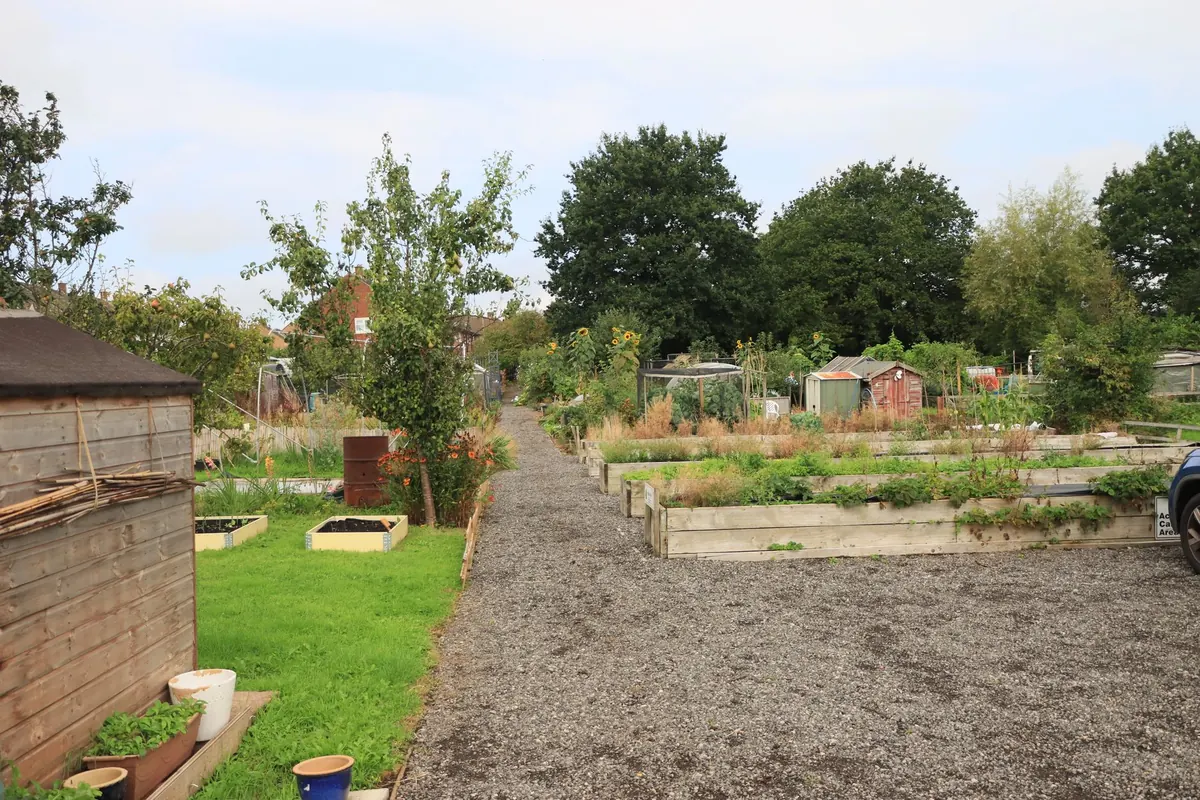
A windy site, neighbours on three sides and a pigeon population that knows your brassica bed better than you do: an allotment is a different growing proposition from a back garden. Companion planting here is not about scattering a few marigolds and hoping for the best. It is about using the plants you already grow to confuse pests, feed pollinators and squeeze more out of every bed.
Get the fundamentals right — rotation, soil, watering, timing — and companion planting is the layer of polish on top. Get them wrong and no amount of nasturtiums will rescue the crop.
Strip away the folklore and three useful things happen when you mix plants together. Strong-smelling plants mask the scent of their neighbours, so pests struggle to find the crop they were heading for. Flowers provide nectar and pollen for the insects that pollinate your courgettes and hunt your aphids. And different growth habits — tall, sprawling, quick, slow — let you use the same patch of ground more than once in a season.
None of this is a substitute for healthy soil or a sensible rotation. Think of it as adding diversity to a plot that would otherwise be rows of single crops, which is exactly what pests and diseases like best.
The oldest allotment trick is still one of the best. Carrot root fly and onion fly both navigate largely by smell, and each struggles to find its host when the other crop is nearby. Sow alternating rows of carrots and spring onions, or dot a row of onions between your carrot drills. It is not foolproof — you still need fine mesh or fleece for a clean crop of carrots on a site with a bad history of root fly — but it noticeably reduces the damage.
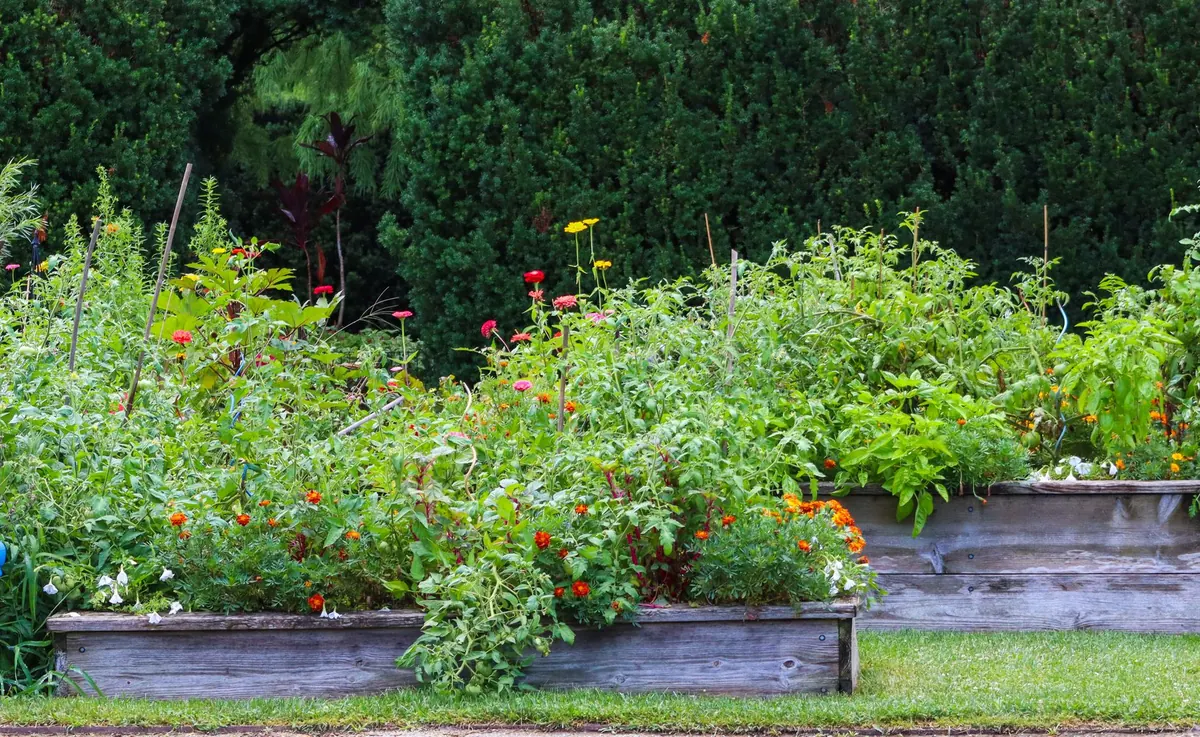
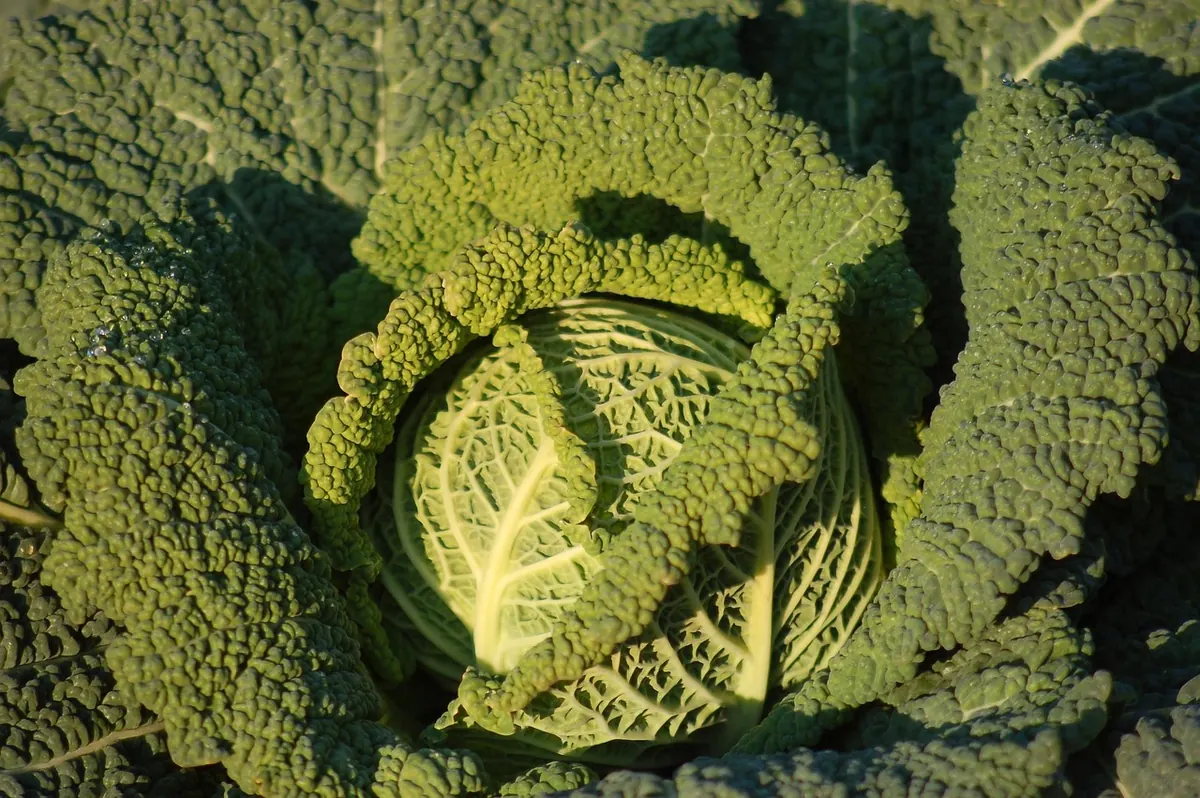
French marigolds are the classic choice around tomatoes and brassicas. Their scent is strong, they flower for months and they are cheap to raise from seed. Dill, coriander, mint and rosemary work in the same way: plant them among brassicas and the cabbage white butterfly has a harder job finding a landing site. Keep mint in a pot sunk into the ground, or you will spend the rest of your tenure digging it out.
A trap crop is a sacrifice. Nasturtiums are the best-known example — blackfly will often colonise them before your broad beans, and you can pull the infested plants and bin them. Radishes sown among brassicas draw flea beetle away from your cabbages, and a sacrificial row of nasturtiums or calendula at the edge of the plot keeps aphids busy while predators move in.
Be realistic about the evidence here. Companion planting has far more shared experience behind it than controlled trials. Treat it as cheap, low-risk experimentation, and judge it on your own plot over two or three seasons rather than expecting miracles.
Courgettes, squash, runner beans and fruit bushes all depend on insects moving pollen around, often with several visits to the same flower. A plot with nothing flowering until the beans arrive is a hungry place for bees.
Borage is the single best plant for this job: it flowers for months, refills with nectar quickly and looks cheerful next to a squash bed. Add phacelia, calendula, chives and rosemary, and let a few herbs bolt. Flowering parsley, coriander and chervil are magnets for hoverflies and parasitic wasps, whose larvae eat aphids by the hundred. If you can spare a rough corner for nettles, leave it — ladybird larvae and other predators overwinter there.
Some pairings cause genuine problems, usually through competition, shared pests or chemicals released into the soil.
Do not let a clever pairing wreck your rotation. If this year's bed is for roots, keep the onions and carrots together and move the marigolds to the brassica bed instead. Herbs suit a permanent strip along a path or at the edge of the plot, where they are easy to reach and never in the way of the spade.
Pots and buckets are useful here. Fennel, mint and anything you are unsure about can sit in a container beside the bed, adding scent and flowers without touching the soil. Sow quick companion flowers in gaps in April and again in July so something is always in bloom when the bees are flying.
Choose one pest-confusing combination, one flower for the pollinators and one space-saving pairing. Carrots with spring onions, borage beside the courgettes, radishes marking a parsnip row. Write down what you sowed and where, and note what happened when the pests arrived.
That notebook is worth more than any list. Every allotment has its own soil, shelter and particular set of problems, and after two or three seasons you will know which combinations genuinely work on yours — and which were just a nice idea from a book.
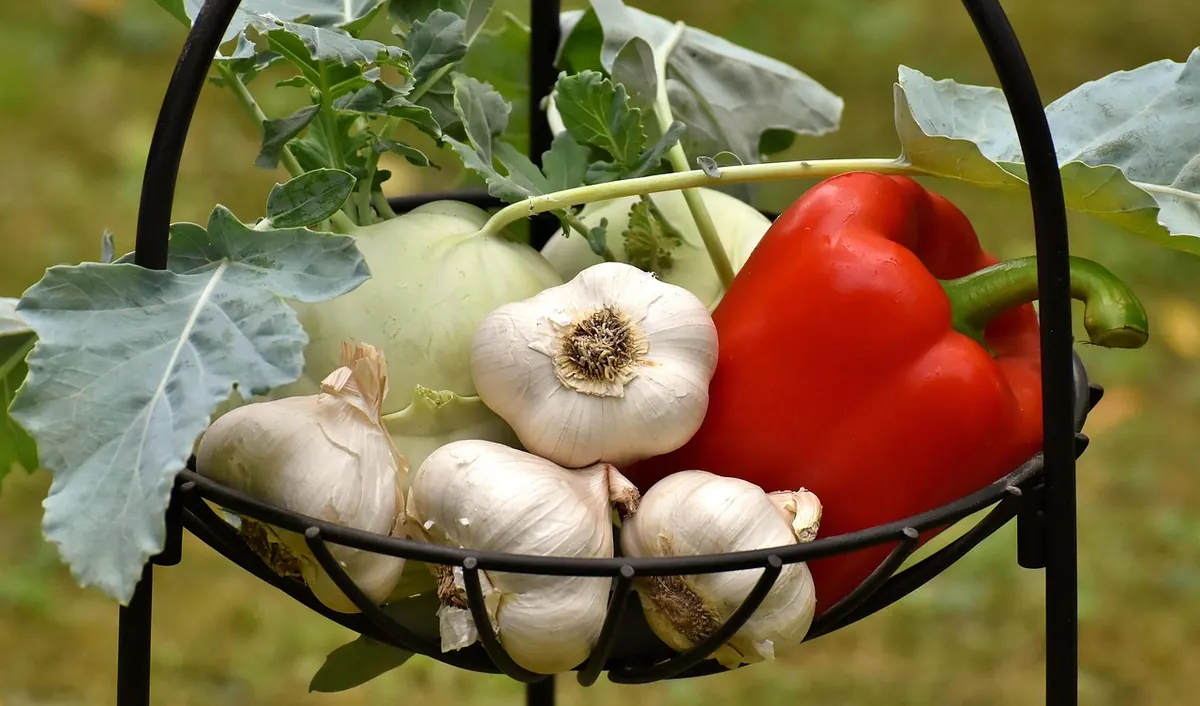
Photo: Alexas_Fotos / Pixabay