Trending

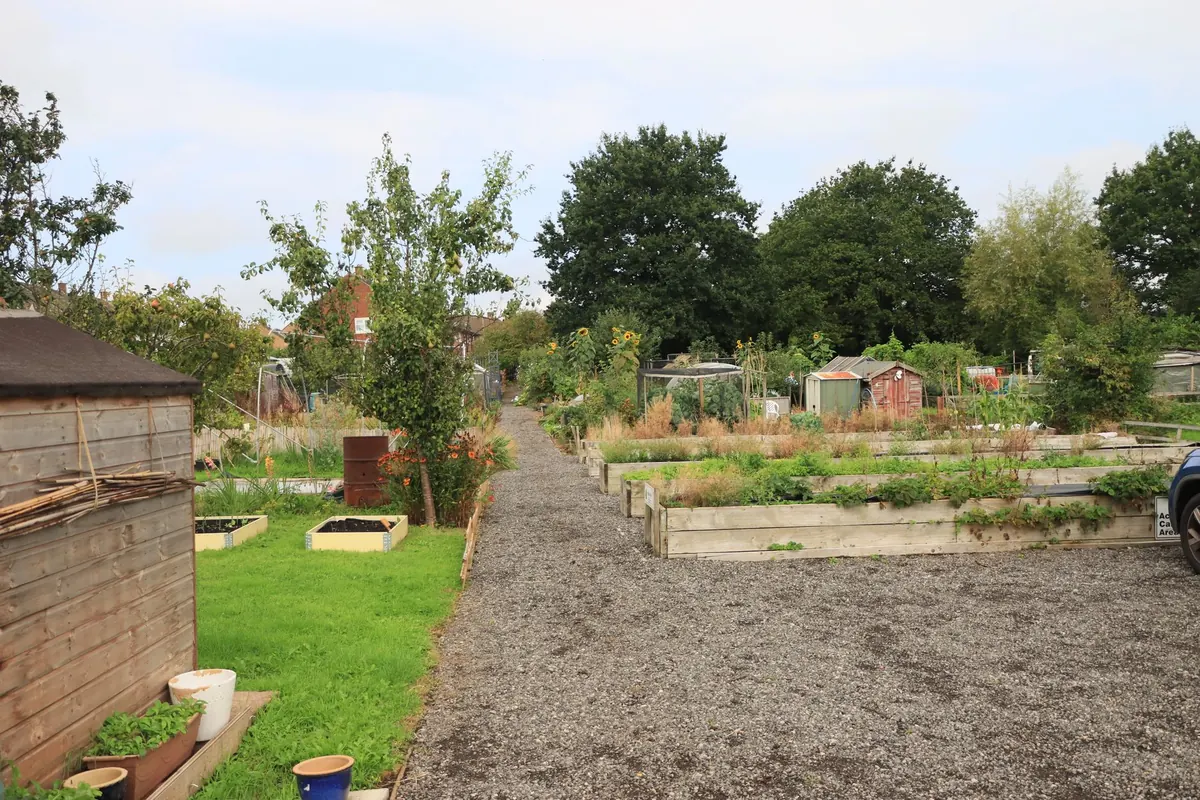
No two allotment plots run to the same clock. A light sandy site in Kent warms up weeks before heavy clay on a northern hillside, and a sheltered south-facing half-plot will always outpace an exposed one at the end of the row. What follows is a working rhythm for the British year — what to sow, what to lift, what to tidy — with the honest caveat that the weather gets the final say.
Use the months as prompts rather than orders. Walk the plot, push a finger into the soil, notice what has bolted and what is sulking, then adjust. A gardener who keeps a notebook for two seasons will soon write a better calendar than any published one.
Dates matter less than conditions. Seeds germinate when the soil is warm enough, not when the page says so, and sowing into cold, wet ground is the most common reason for a disappointing row of carrots. Judge by the soil in your hand, the weeds already growing, and what neighbouring plot holders are doing.
Two habits make everything else easier. First, sow in small batches a fortnight apart rather than one big row — you get salad for months instead of a glut for a fortnight. Second, rotate your crops between beds so that brassicas, roots, potatoes and legumes each move on a year, which helps keep soil-borne problems in check.
Lift leeks and parsnips as you need them; parsnips sweeten after a frost. Harvest sprouts, kale and winter cabbage. Dig empty ground roughly and leave the clods for frost to break down, and spread well-rotted manure on beds that will not be planted until spring. Prune apples and pears, plant bare-root fruit bushes if the ground is neither frozen nor waterlogged, and check stored squash and onions for rot.
Order seed potatoes and stand first earlies in a cool, bright spot to chit. Draw a rotation plan on paper before the seed catalogues blur your judgement. Force rhubarb with a bucket or old bin. Finish winter pruning while the trees are dormant, sharpen tools, and clean out the shed.
Sow broad beans, early peas and hardy salads under cover. Start weeding now — chickweed and groundsel are already growing, and it is far easier to deal with them at this size. Mulch fruit bushes, plant new canes, and get the greenhouse glass washed so seedlings have proper light.
Sow parsnips, carrots, beetroot, spinach and radish outdoors where the soil is workable, under fleece or a cloche if it is cold. Under cover, sow tomatoes, peppers, aubergines, leeks and brassicas. Plant onion sets and shallots. Keep fleece to hand; a hard March night can undo a fortnight of growth.
This is the busiest sowing month. Plant second early potatoes, then maincrops as the soil warms. Earth up potato shoots as they push through. Sow successional salads, peas and beetroot, and hoe weeds on dry, breezy days so they shrivel on the surface.
Harden off tender crops gradually, then plant out sweetcorn, courgettes, squash and beans once the risk of frost has passed — late May in the south, early June further north. Pinch out the side shoots of cordon tomatoes. Water thoroughly in dry spells, net brassicas against pigeons, and watch for the first cabbage white butterflies.
Harvest broad beans, early potatoes, salad and strawberries. Sow French and runner beans, beetroot, carrots and calabrese for autumn. Water deeply and less often rather than little and often, so roots go down. Stake tall crops before the first gusty night flattens them.
Lift garlic and shallots when the tops yellow and dry them somewhere airy. Pick courgettes small and beans every couple of days to keep plants cropping. Sow winter salads, kale and spring cabbage. Remove and bin any blighted tomato foliage quickly rather than composting it.
The glut month. Lift onions and dry them properly before storing. Clear spent crops and sow green manure — field beans, grazing rye or phacelia — on beds you will not use until spring. Order garlic and overwintering onion sets now, while the choice is good.
Harvest maincrop potatoes, squash, sweetcorn and apples. Plant spring cabbage, sow green manure on bare ground, and collect seed from beans and tomatoes you want to grow again. Start a leaf mould bin; it costs nothing and makes superb mulch in two years.
Plant garlic and overwintering onions, and sow broad beans for an early crop next summer. Dig, compost and tidy. Lift any remaining potatoes before slugs find them. Sow winter salads under cover and give the greenhouse a thorough clean before it is full.
Last call for bare-root fruit trees and bushes, and for garlic in milder areas. Harvest leeks, kale, sprouts and parsnips after a frost. Leave dug ground rough for the weather to work on. Clean and oil tools, and write your seed order while the season is still fresh in mind.
Whatever the month, these five tasks keep a plot ticking over:
Your plot's microclimate, altitude and soil type will always beat a generic guide. Coastal plots stay milder but windier; valley plots catch frost long after neighbouring higher ground has escaped it. Ask the people either side of you what works on your site — that knowledge is worth more than any book.
Check your tenancy agreement or site rules before assuming anything about bonfires, sheds, water butts or the height of structures; allotment committees vary a great deal, and it is easier to ask first than to argue later. And pace yourself. Allotment work is heavy, repetitive and often done in awkward positions, so break digging into short sessions, warm up before you start, and see a health professional if a back, shoulder or knee problem persists.
Above all, do not panic if a sowing fails or a bed stays empty for a few weeks. There is almost always something that can go in — a quick row of radish, a green manure, or a bucket of compost spread over the surface — and next season's calendar will be better for what you learned this one.
Photo: Jan Wright / Pexels