Trending

By August, the sowing year can feel as though it is winding down. The seed packets say otherwise. The soil is at its warmest, daylight is still generous, and a couple of hours of sowing now will fill the lean months from October to March — the weeks when a bare plot and expensive imported salad leaves make a gloomy combination. The trick is choosing crops that either grow quickly enough to finish before the cold bites, or are tough enough to sit through it and carry on.
Seeds that sulked in cold May ground will be up in days now. Warm soil and regular watering give fast, even germination, which is exactly what you need when time is the limiting factor. Autumn's cooler nights also suit leafy crops: lettuce and rocket sown in August are far less likely to bolt than the same varieties sown in June, and the leaves are often sweeter and more tender for it.
Pest pressure eases as the season turns, though it never disappears. Carrot fly's second generation is about in late summer and early autumn, slugs enjoy a wet August as much as anything else, and pigeons will find a new row of brassicas within a morning. Growth also slows sharply from late October in most of the UK, so choose varieties that mature in 60 to 80 days, or that are reliably winter-hardy, rather than gambling on something that needs a long, hot summer.
Sow these from early August to mid-September and expect slow, steady growth rather than a summer-style flush. Pick outer leaves and the plants will keep producing for months.
Sow into drills about 1cm deep in moist soil, in rows 20–25cm apart. If space is tight, scatter a patch thinly and treat it as cut-and-come-again. A cloche over a single row of corn salad can be the difference between a December salad and nothing at all.
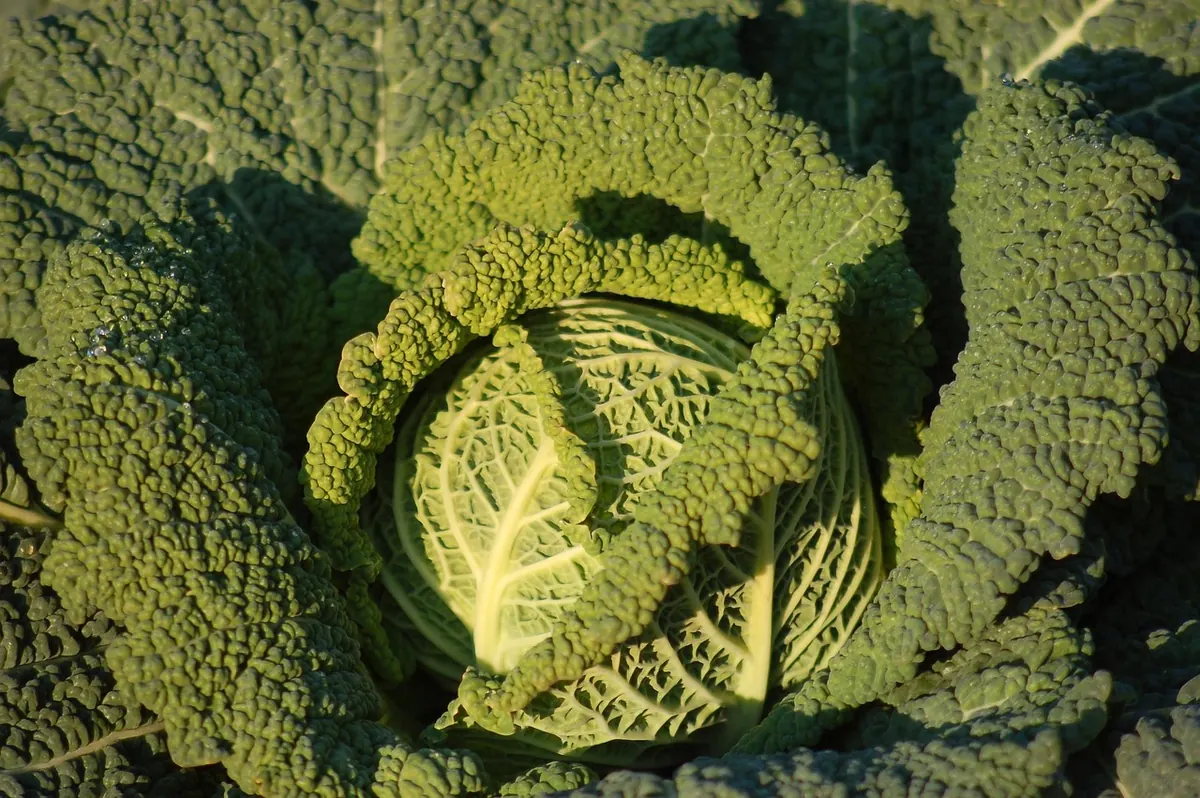
Kale is the obvious choice and deserves its reputation. 'Nero di Toscana', 'Red Russian' and 'Dwarf Green Curled' all stand through winter and taste better after a frost. Sow in modules in early to mid-August, plant out four or five weeks later while the soil is still warm, and keep the plants well watered until they are established. Space them 45cm apart; they will grow into substantial plants by the time the frosts arrive.
Spring cabbage is the other useful August sowing. 'April' and 'Pixie' sown in late July or early August, planted out in September, will heart up for cutting the following May — a genuinely welcome crop when little else is ready. Net everything: pigeons strip young brassicas overnight, and a fine mesh also keeps cabbage white butterflies off while they are still flying.
An honest note on timing. Winter cabbages such as January King and most Brussels sprouts need sowing in spring or early summer; they will not catch up from an August sowing. Stick to kale, spring cabbage and Oriental greens if you are starting now.
A carrot sowing in the first half of August gives you roots to pull from late October into December, and left in the ground under a thick mulch they will often last longer still. 'Autumn King', 'Flyaway' and plain old 'Nantes' are all reliable. Because carrot fly is on the wing again in late summer, cover the row with fleece or enviromesh, or grow in a raised bed at least 60cm tall — the fly flies low and hates heights. Thin in the evening, when the fly is less active, and take the thinnings well away from the plot rather than dropping them on the soil.
Turnips are quick and forgiving, ready in six to eight weeks. 'Tokyo Cross', 'Snowball' and 'Golden Ball' sown now will give tender roots through October and November; lift them before the hardest frosts and store in a cool, dark place. Winter radishes such as mooli are worth a row too, sown in late July or August for big roots that store well.
One thing to leave alone: swede. It needs five months or more, and August is too late. Buy that one from the market this year and put it on next May's list.
Hardy crops still benefit from a little shelter. Fleece and cloches lift temperatures by a couple of degrees, which can be enough to keep leaves coming when unprotected plants stall. A cold frame is ideal for winter lettuces; open it on mild, still days to let air through, and close it before dusk. Wet cold kills more plants than frost does, so improve drainage on heavy clay before autumn sets in and avoid watering once growth slows.
Slugs stay active in mild spells, so check under boards and around plant collars. Firm young plants in gently — loose soil around the roots heaves in frost and breaks the fine roots. And don't mollycoddle everything: kale, corn salad and land cress are genuinely tough, and a bit of cold improves them.
Write a short list, buy only what you can sow in the next three weeks, and get it into warm ground. A row of corn salad, a module tray of kale, a short row of turnips and one of carrots is a realistic afternoon's work and will repay you handsomely in January. Label everything with the date, keep the water going while the weather is warm, and net the brassicas the day you plant them, not the day after the pigeons arrive.
Not every sowing will succeed. Slugs, dry spells and an early frost can all take their share, which is why small batches sown at intervals beat one perfect row every time.
Photo: BARBARA808 / Pixabay