Trending

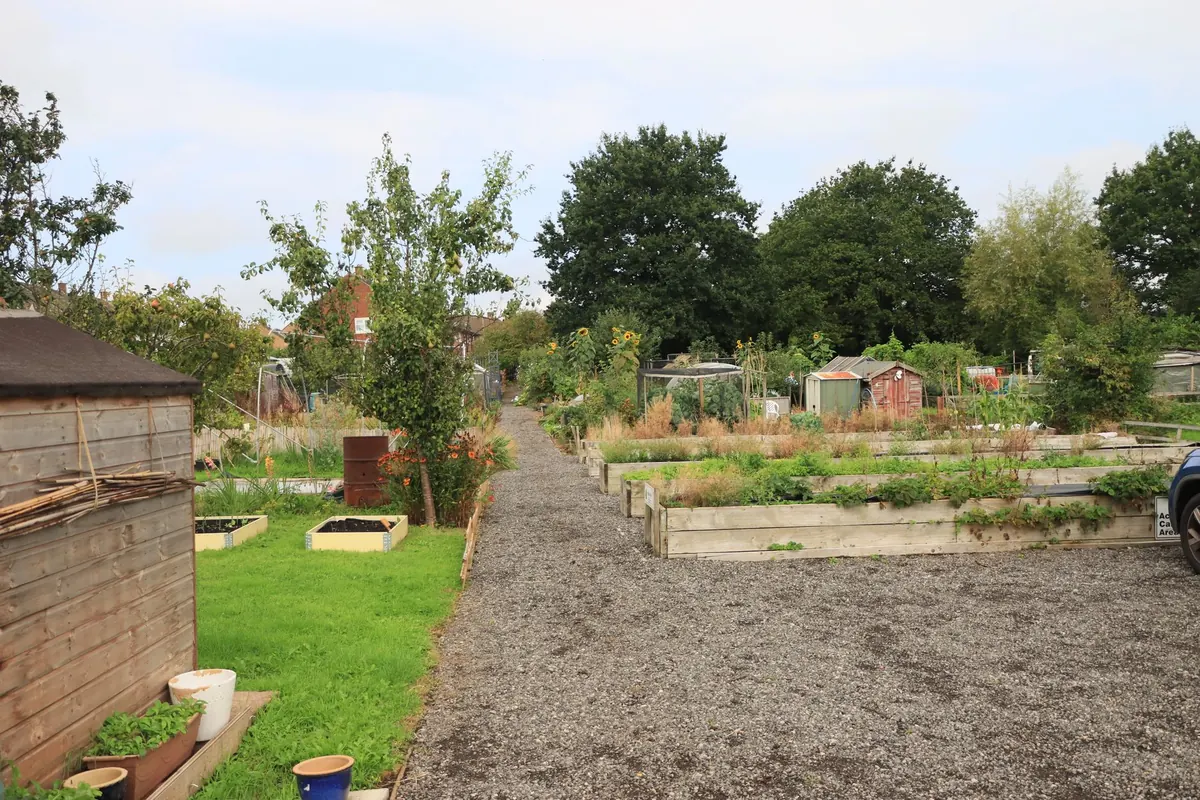
Your first vegetable patch does not need to be large, tidy or even rectangular. It needs reasonable light, soil you can work, and a short list of crops that reward attention rather than punish it. Beginners who give up are rarely the ones with bad soil — they are the ones who dug up half the garden in March and were losing the weeding battle by June. Start with something you can water in ten minutes and weed in twenty.
Vegetables are sun-bathers. Most want at least six hours of direct light a day, and even the leafy crops that tolerate less — spinach, chard, salad leaves — crop better in sun. Watch your garden at three points in the day before you commit. A spot that is bright at 8am but shaded by a fence from 2pm will grow far less than you expect.
Then think about access. A patch behind the shed will be visited in May and neglected in August. Being able to reach a tap or water butt with a hose matters more than most beginners realise, because full watering cans get heavy quickly. Avoid hollows where rain sits, and keep clear of hedges and overhanging trees — their roots will take the moisture and nutrients you are putting in.
You do not need to double-dig anything. You need to remove the worst perennial weeds and improve the top layer. Couch grass, bindweed, docks and dandelions return from root fragments, so fork them out as completely as you can rather than chopping them up with a rotavator, which multiplies them.
From there, pick one of two routes:
Decide which beds you will walk on and which you will not; compacted soil undoes a season of improvement. Most vegetables are happy around pH 6.5 to 7, and a simple testing kit will tell you whether you need lime or more organic matter.
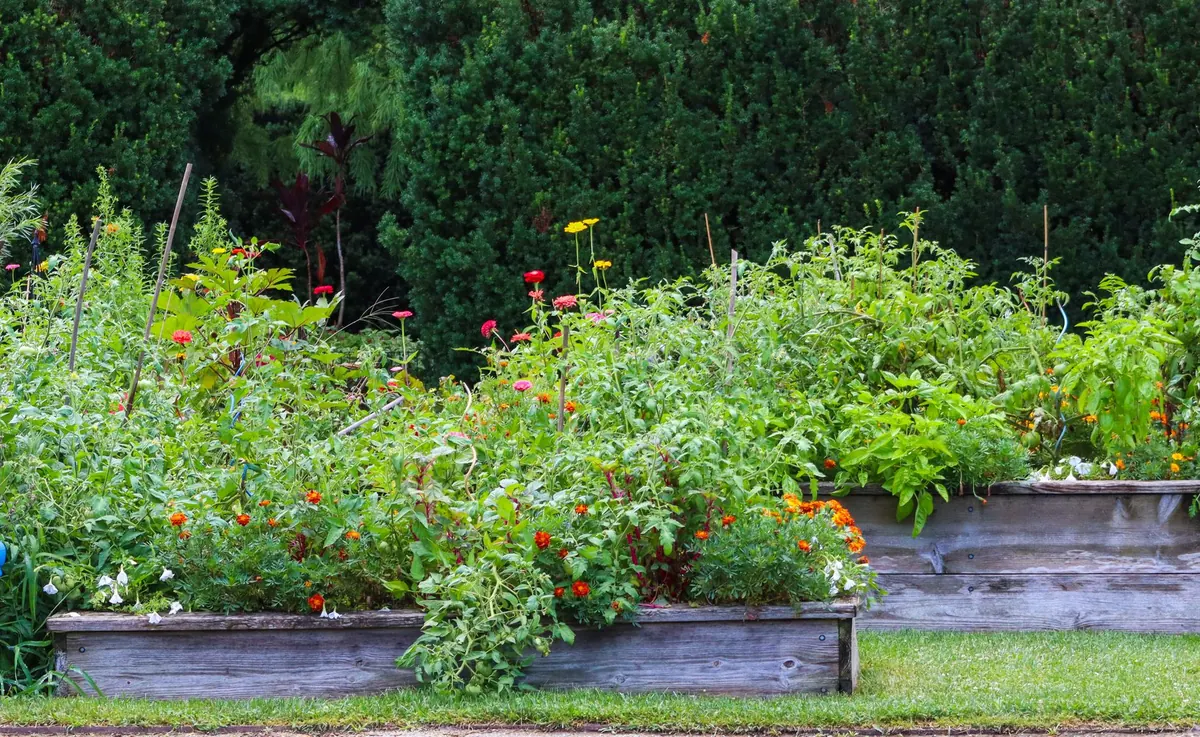
Keep beds narrow. A width of 1.1 to 1.2 metres means you can reach the middle from either side without standing on the soil. Paths of 30 to 45cm are enough to walk along; make the main one wider if a wheelbarrow needs to pass. On heavy clay, or if you are growing on concrete, raised beds 15 to 20cm deep will get you started with salads, beans and brassicas. Carrots and parsnips need more depth, so aim for 25cm or more.
Orientate rows north to south where you can, so plants do not shade each other as the sun moves. Then group crops by how long they hold the ground:
Carrots need thin sowing and protection from carrot fly, so fleece or a resistant variety helps. Peas need support and regular picking. Onion sets and autumn-planted garlic are low effort but slow. Outdoor tomatoes crop well in a warm, sheltered spot and disappoint in a cold one. Leave celery, celeriac, aubergines and melons for another year.
Treat the seed packet as advice rather than law; your soil and shelter will shift the dates. Sow salads and radish in short rows every two or three weeks from March onwards instead of all at once, so you are not drowning in lettuce in July and buying it in September. Water the drill before sowing, cover lightly, and label everything.
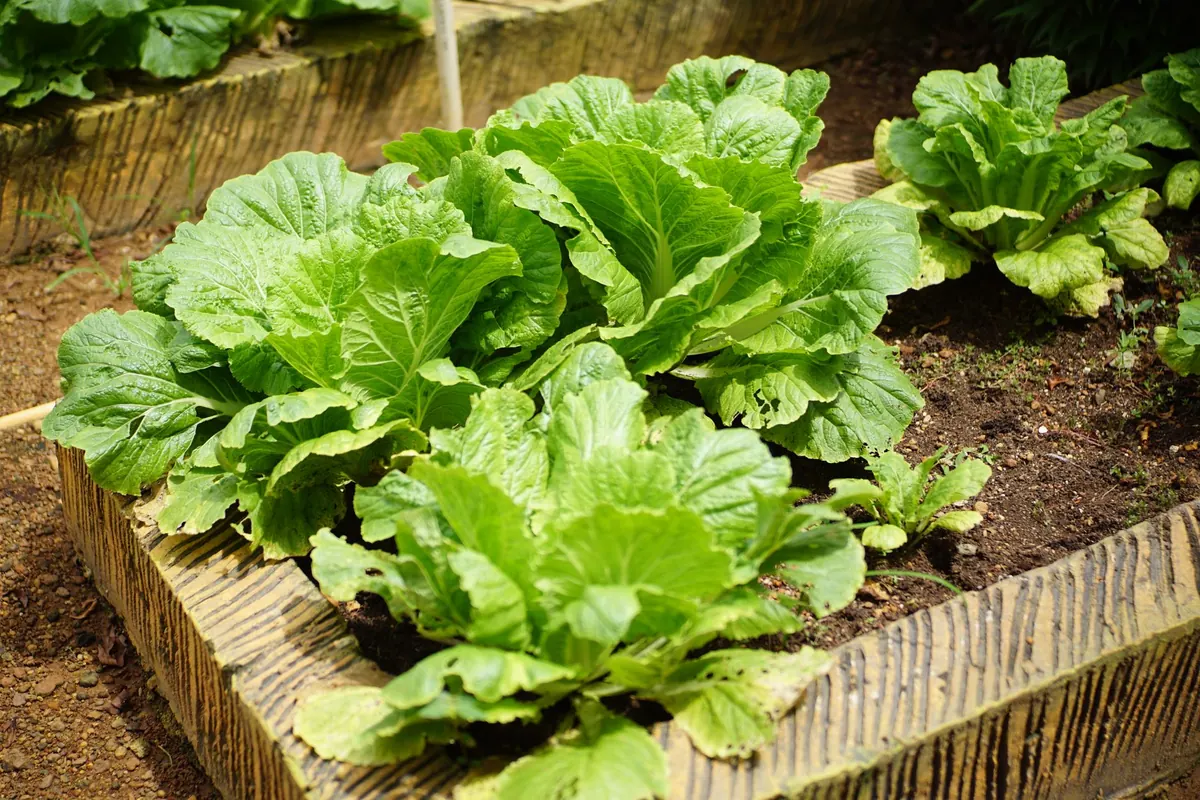
Thinning feels brutal and is essential. Beetroot, carrots and chard all need room to swell, and crowded rows give you tiny, forked roots. Thin in the evening when birds are less likely to notice, and eat the thinnings. Net brassicas against pigeons and cabbage white butterflies, and fleece carrots from the moment you sow.
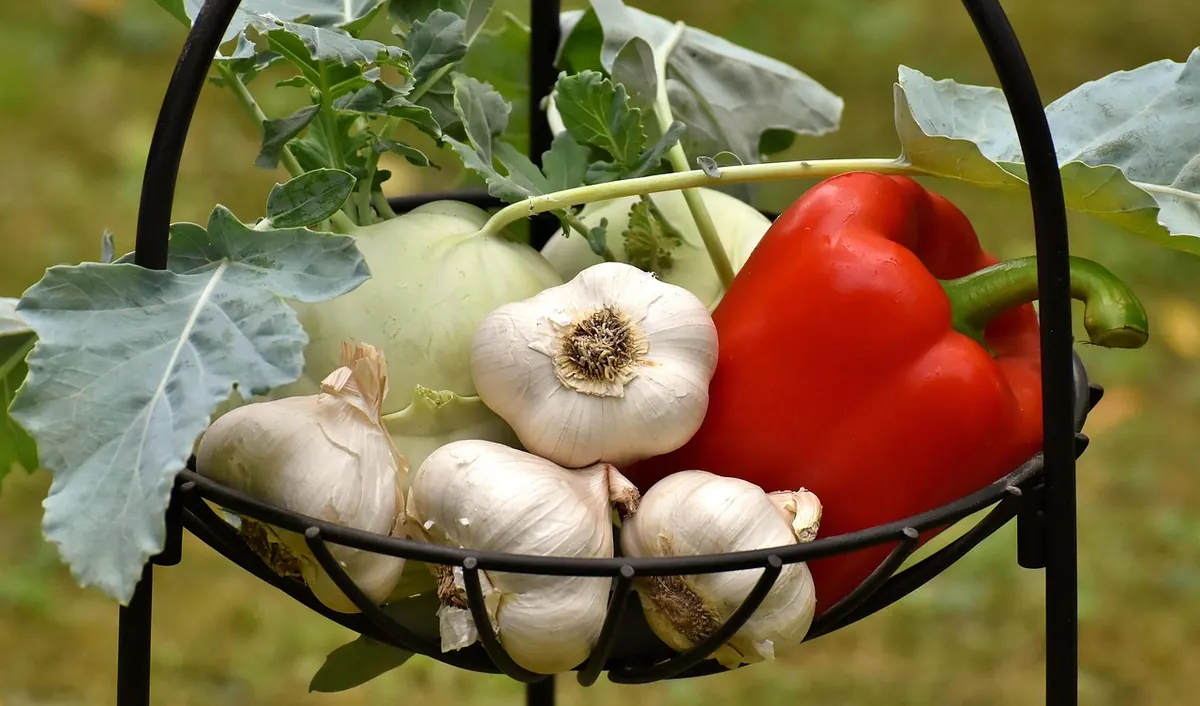
One deep watering twice a week beats a light sprinkle every day, because it draws roots downwards. Aim at the soil rather than the leaves, and water in the morning if you can. A mulch of compost or grass clippings holds moisture and suppresses weeds. Feed tomatoes, courgettes and peppers once they begin flowering; most other crops will manage on soil that has been properly composted.
You will lose some plants. Slugs, pigeons, aphids and carrot fly are part of the deal. Hand-pick at dusk, set a beer trap, net what needs netting, and accept that a holey leaf is still edible. Avoid spraying everything on sight — you will kill the ground beetles and hoverflies that were helping you.
Pick a sunny spot, clear the worst weeds and add compost. Build two or three narrow beds with paths between them. Fill a third of the space with quick crops, a third with beans, courgettes and potatoes, and leave the rest for next year's plans. Water deeply, thin properly, and jot down what worked while you still remember.
If you harvest a bowl of salad, a few beetroot and more courgettes than you know what to do with, your first year has been a success. Everything else can wait until spring, when you will have a better patch and far fewer questions.
Photo: Agung Sutrisno / Pexels