Trending

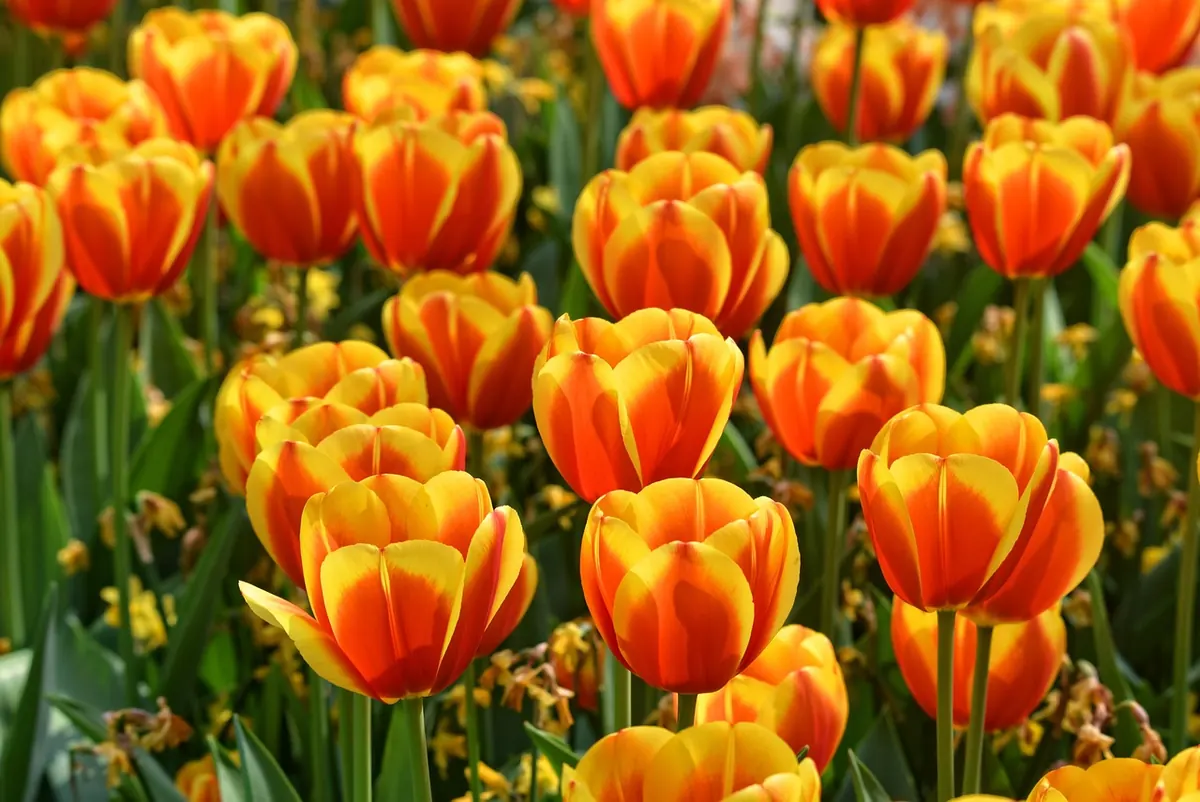
Autumn is the best time to plant the bulbs that will carry your garden through to spring. It is also one of the easiest jobs to get quietly wrong. A daffodil set two inches too shallow will heave itself out of the ground in the first hard frost. A crocus bed left unprotected becomes a squirrel buffet. A tulip planted in soggy clay simply rots, leaving a gap where a flower should be next April. None of these are difficult problems to avoid. They just need a handful of decisions made before the trowel goes in.
The old guideline still holds: plant a bulb so there is soil above it roughly three times the bulb's own height. Measure from the base of the bulb to the soil surface, not from the tip.
A 5cm daffodil bulb goes in about 15cm deep. Tulips want 15–20cm. Crocus and other small bulbs sit at 5–7cm.
What goes wrong when you ignore it:
Loosen the soil beneath where the bulb will sit so the roots can move. In most soils, a small handful of grit in the base of the hole is worth the effort.
Bulbs are storage organs. Sit them in saturated soil through a British winter and they rot, sometimes turning to grey mush before Christmas. Heavy clay, a low corner of the garden, or a pot without drainage holes are the usual culprits.
In pots, drainage holes do the real work. A layer of crocks in the bottom does very little for drainage; a free-draining compost mixed with grit or bark is a better use of your time. Don't tuck fertiliser directly beneath the bulb either, as it can scorch young roots. Mix it into the soil above, or top-dress in spring.
Bulbs planted too early in still-warm soil can start into growth and then be caught by cold. Planted too late, they don't have time to root before winter.
Wait for cool, moist soil. Don't plant into frozen ground or a bone-dry bed — water the hole if the autumn has been dry.
Choose bulbs that feel heavy and firm for their size, with their papery tunics intact. Skip anything soft, mouldy or shrivelled; it was never going to flower. Keep them cool, dark and airy until planting — a paper bag in the shed or garage, not a sealed plastic bag in a warm kitchen.
Nothing undoes an afternoon's planting faster than a squirrel. Crocus, tulips and small irises are favourites. Mice and voles work from below, while rabbits and deer graze the foliage later on.
No single trick works everywhere, so use a combination:
Daffodils, alliums, snowdrops and fritillaries are usually left alone. If wildlife is a persistent problem in your garden, lean on those.
A row of single bulbs spaced evenly along a border always looks thin. Bulbs look best in drifts and clumps. Tip them out of the bag, arrange them on the soil before digging, then plant in groups of five, seven or nine. Odd numbers tend to read more naturally than even ones.
Most bulbs want sun, though snowdrops and cyclamen cope with shade under deciduous trees because they flower before the canopy closes over them.
After flowering, the leaves matter as much as the flowers did. They feed the bulb for next year. Leave them for at least six weeks after the last bloom, until they yellow and pull away easily. Don't cut them early and don't tie them into knots. Deadhead spent flowers to stop the plant putting energy into seed, but keep the stems. A high-potash feed while the leaves are still green helps next year's display. And label the spot: it is surprisingly easy to fork through dormant bulbs in summer.
If this spring was disappointing, run through the same list in reverse. Blind bulbs usually point to shade, shallow planting or a dry summer. Missing bulbs mean wildlife. Yellowed, floppy leaves suggest poor drainage. Fix one thing this autumn and next spring will look better for it.
Photo: MabelAmber / Pixabay